Thoughts from the Beekeeping World
Beekeeping Means Making Decisions
And in the End, Bees Do as They Please
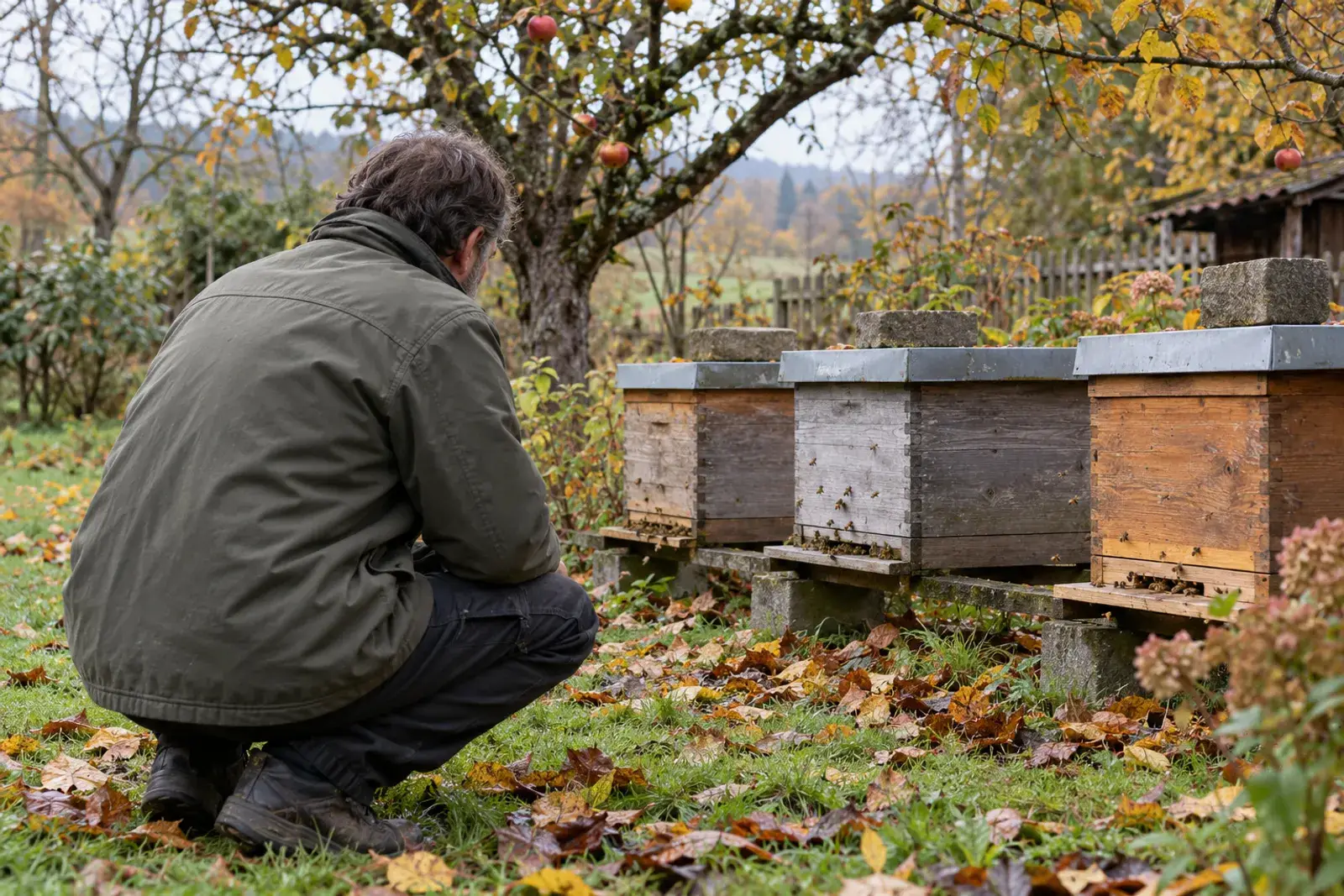
Anyone who thinks beekeeping is just about harvesting honey and occasionally checking the hives has probably never managed a bee colony.
A significant part of beekeeping revolves around one thing: making decisions.
Almost every visit to the apiary starts with a plan. Yet often, it ends completely differently than expected. And that’s all part of beekeeping.
Every Inspection Brings New Decisions
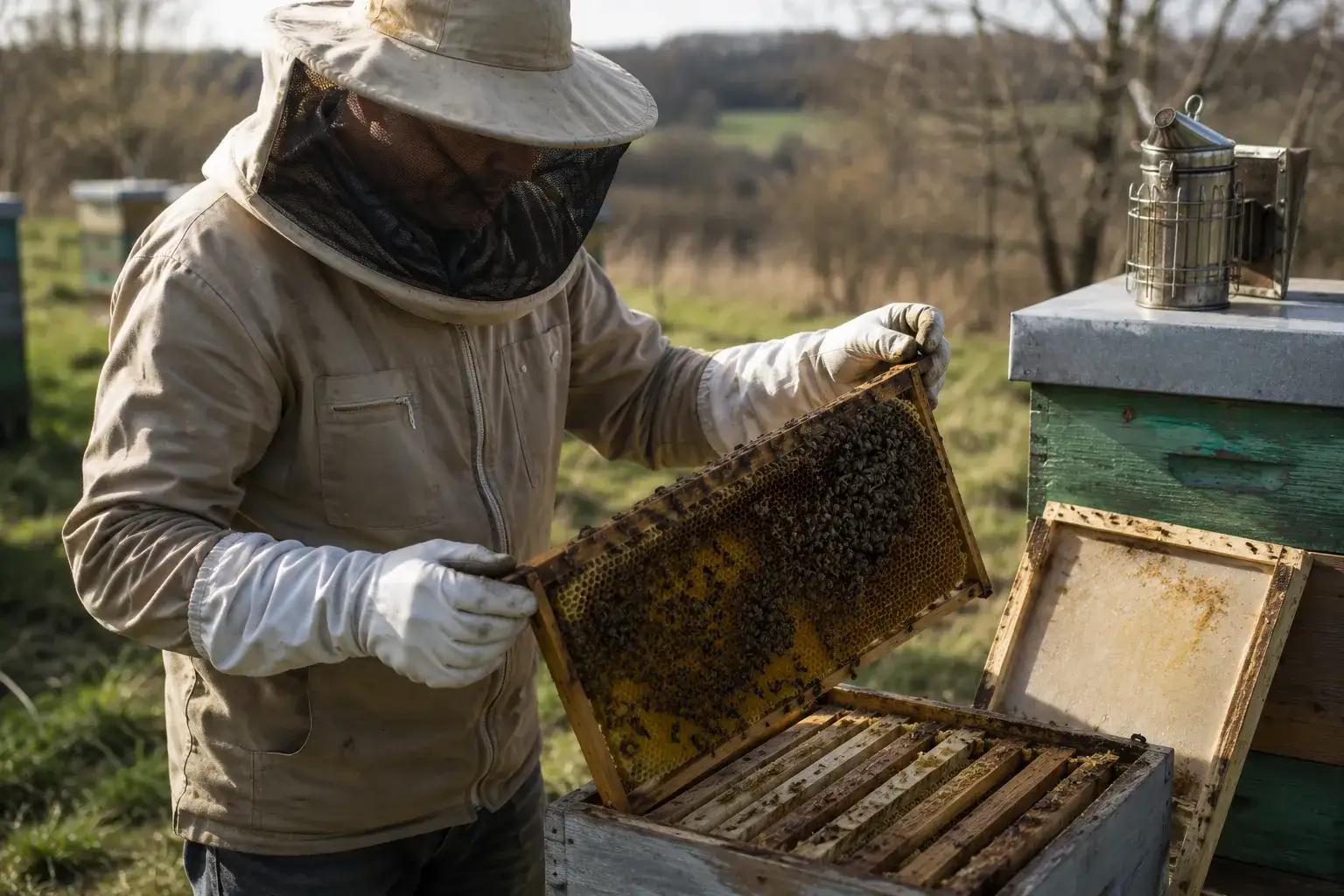
You open a hive and the carousel of thoughts begins.
- Should I expand today or wait another week?
- Is there enough feed?
- Is the colony really in swarming mood or should I make a split?
- Should I start feeding now, or is there more nectar to come?
- Is it the right time to harvest honey?
- Should I add another honey super, or is the nectar flow over?
- Replace the queen or give her another chance?
- Treat for Varroa now or inspect once more?
- Is this queen cell a problem or just what the colony needs?
There are no universal answers to many of these questions. What’s right today might be wrong tomorrow. Weather, nectar flow, colony development, and many other factors constantly change the situation.
The Weather and Nature Have a Say
Just as you’ve made a decision, nature sometimes changes the plan.
You expand, then ten days of rain follow.
You delay the honey harvest, and suddenly a strong honeydew flow begins.
You plan queen rearing, and just that day it turns cold and rainy.
You want to create splits, and suddenly a strong nectar flow starts.
Nature doesn’t follow our calendar.
You Make Plans, and in the End, Everything Changes
Almost every beekeeper knows this situation.
You go to the apiary with a clear plan thinking:
“Today, I’ll just quickly check the colonies.”
But with the first hive, you realize the bees have different plans.
Suddenly, you discover queen cells.
One colony urgently needs more space.
Another has too little feed.
The next is missing its queen.
A quick check suddenly turns into several hours.
And before you know it, you’re jumping from one change of plan to the next. Every observation leads to a new consideration, each action changes the situation again.
Don’t worry, this is perfectly normal in beekeeping.
Bees Have Their Own Agenda
The longer you keep bees, the more you realize you can plan a lot, but the bees often have their own ideas.
You prepare everything carefully, monitor the weather, and make a plan. Yet the bees don’t read textbooks and they don’t follow our to-do lists.
The bees almost always have different plans than the beekeeper.
That’s why flexibility is essential. Good beekeepers don’t stand out because everything goes according to plan, but because they assess situations correctly and continuously adapt their decisions.
Failures Are Part of the Process
Of course, not everything runs perfectly.
- A colony swarms despite all inspections.
- A queen is not accepted.
- Honey harvest is less than hoped.
- A requeening effort fails.
- A decision turns out not optimal in hindsight.
That’s part of beekeeping.
Every experienced beekeeper has faced such situations. The key is not that everything always succeeds, but how you deal with it.
You often learn more from mistakes than from things that work immediately.
That’s Why Beekeeping Never Gets Boring
In our view, this is what makes beekeeping so special.
No colony is like another.
No year is the same.
You make plans, and in the end, everything changes. Instead of executing the original plan, you often leap from one adjustment to the next. And that’s entirely normal.
The bees almost always have different plans than the beekeeper.
This mix of experience, observation, improvisation, successes, and small setbacks makes beekeeping so fascinating. It continually challenges us, allows us to keep learning, and ensures that this hobby never loses its intrigue, even after many years.
Make Better Decisions with Bee Pilot
From this thought, we developed Bee Pilot. The app is designed to support beekeepers in their daily decisions, not by making decisions for them, but by consolidating information, making developments visible, and recognizing connections that can easily be overlooked in day-to-day life.
Past inspections, weather data, weight trends, Varroa data, nectar flow information, and much more help to better frame decisions.
Additionally, various AI functions are available for consultation. They provide forecasts for colony development, help interpret observations, and suggest possible actions. Especially in complex situations, they can be a valuable support.
Ultimately, the beekeeper always decides. Nothing can replace experience, observation skills, and intuition at the open hive. We just want to help make better decisions.
And if something doesn’t go as planned, remember:
Straighten things up, learn from it, and move on. Because that’s what beekeeping is all about.
Test Bee Pilot for Free Now