Tracht Management
Better Not to Open During Peak Forage?
Why strong foraging days are often more valuable than non-urgent inspections.
Important note upfront: This text is not meant to discourage necessary inspections when they are beekeeping-wise reasonable or necessary. Swarm control, queen checks, immediate space needs, hive damage, or other important reasons obviously take precedence.
This is not about a rigid prohibition but a practical tip: If hive scales, regional forage scales, or other reliable data clearly show that a true peak foraging day is happening, it can be wise to postpone a non-urgent inspection.
Whether a sunny day should really be used for inspection is thus not determined solely by the weather. Sunshine and flight do not automatically mean strong foraging. What matters is whether the colonies actually show a significant gain.
Why Weather Alone Is Not Enough
That’s exactly why hive scales and regional scale networks are so valuable. They show not just flight activity but real gains. When a scale clearly moves upward during a day, it’s often the specific time window that the colony has been working towards for weeks: good nectar influx, suitable temperatures, and a foraging situation that allows for real growth.
This difference is crucial for practical beekeeping. A warm day with lots of flight can seem promising, yet by evening, there may not be significant net gain. A scale provides a reliable decision-making aid.
How Many Peak Foraging Days Does a Stationary Beekeeper Have Per Year?
One must be accurate here: There is no official, uniform metric “peak foraging days per year.” Therefore, only a practice-oriented approximation can be used.
From published hive scale and annual reports from recent years, it can be deduced that for a stationary beekeeper in Germany, approximately 15 to 30 true peak foraging days per year is a realistic range. In weak years, this number can be noticeably lower, in good locations and good years even higher.
This approximate figure shows why such days should not be treated like ordinary warm flight days. Many days are usable, but only a small part of them are genuinely strong. A peak foraging day is not just a day with bee flight but a day with significant net gain.
Why You Should Refrain on Such Days
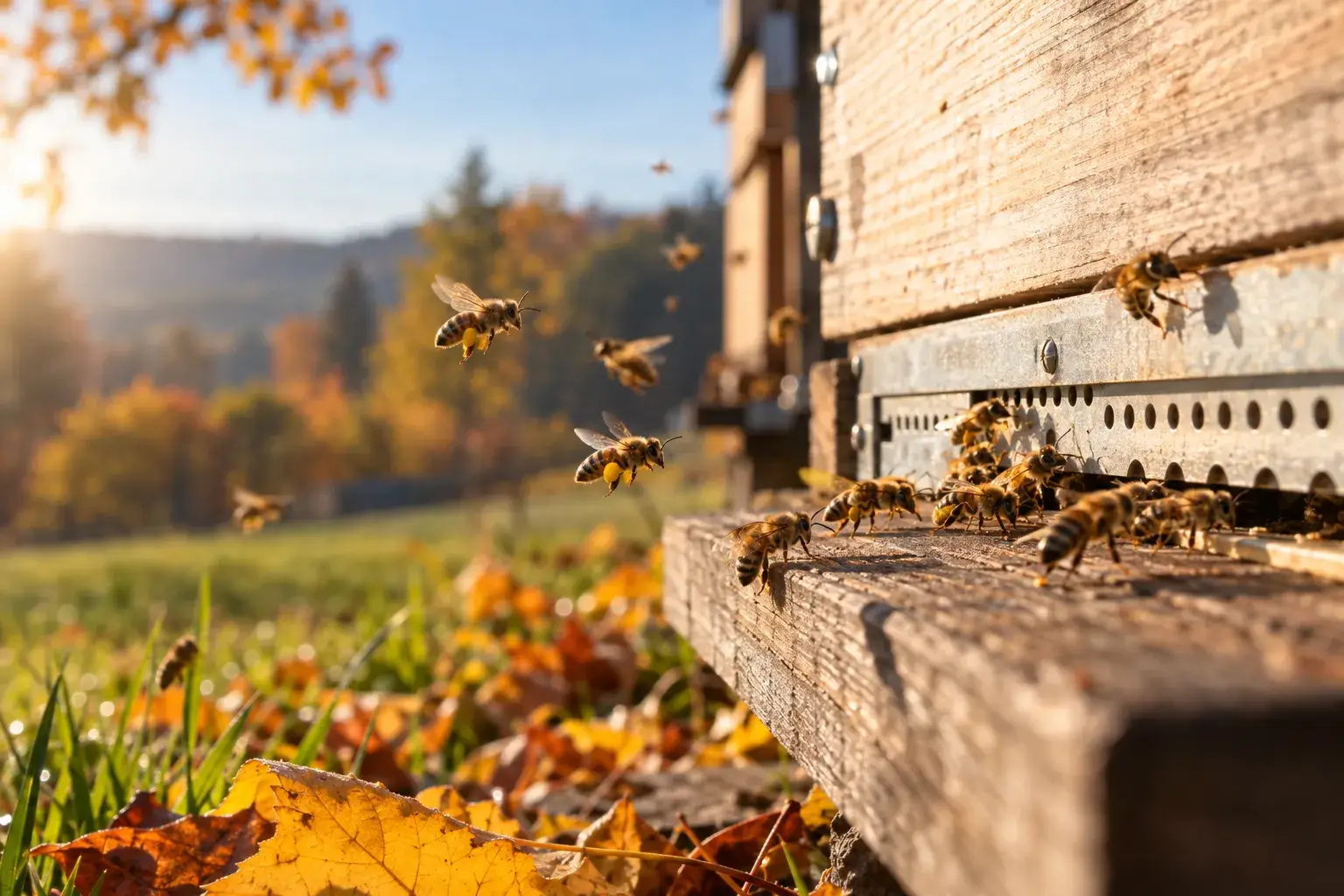
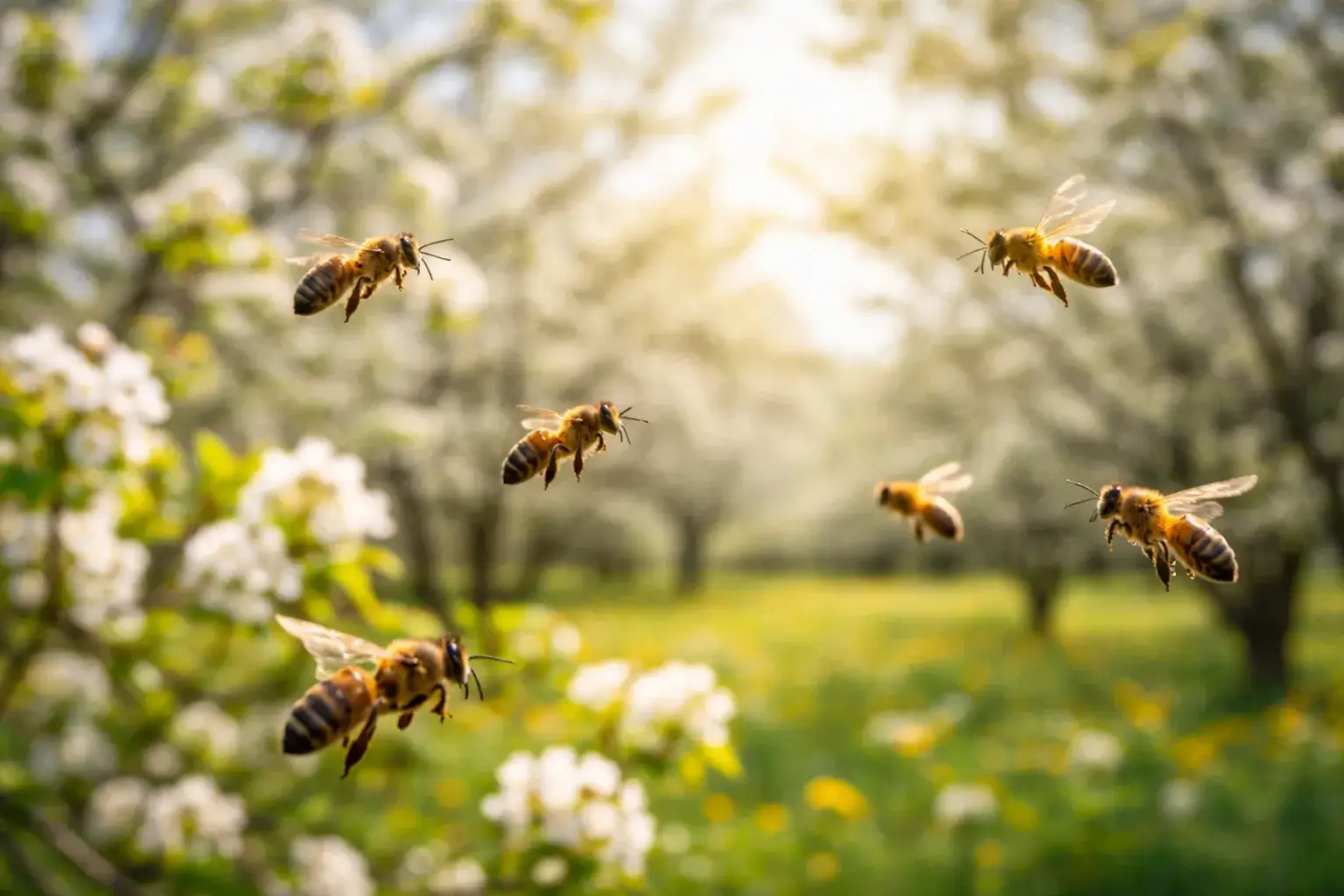
On a true peak foraging day, the colony is working at full capacity. Foragers bring in nectar, house bees handle the nectar, store it, dry it, and concurrently manage brood care, temperature regulation, and the entire internal structure.
Opening the hive interrupts these processes. It’s not just about a few minutes with the lid off. It means bees are diverted, paths are changed, and workflows are disrupted.
Especially stationary beekeepers cannot easily replace good foraging windows. Those beekeeping at a fixed location rely more on what the immediate surroundings provide during this period. Therefore, a lost peak foraging day at the apiary can indeed matter.
When the scale shows that a genuine foraging day is in progress, it is often more reasonable to postpone a non-urgent inspection.
A Sensible Alternative: Evening Inspection
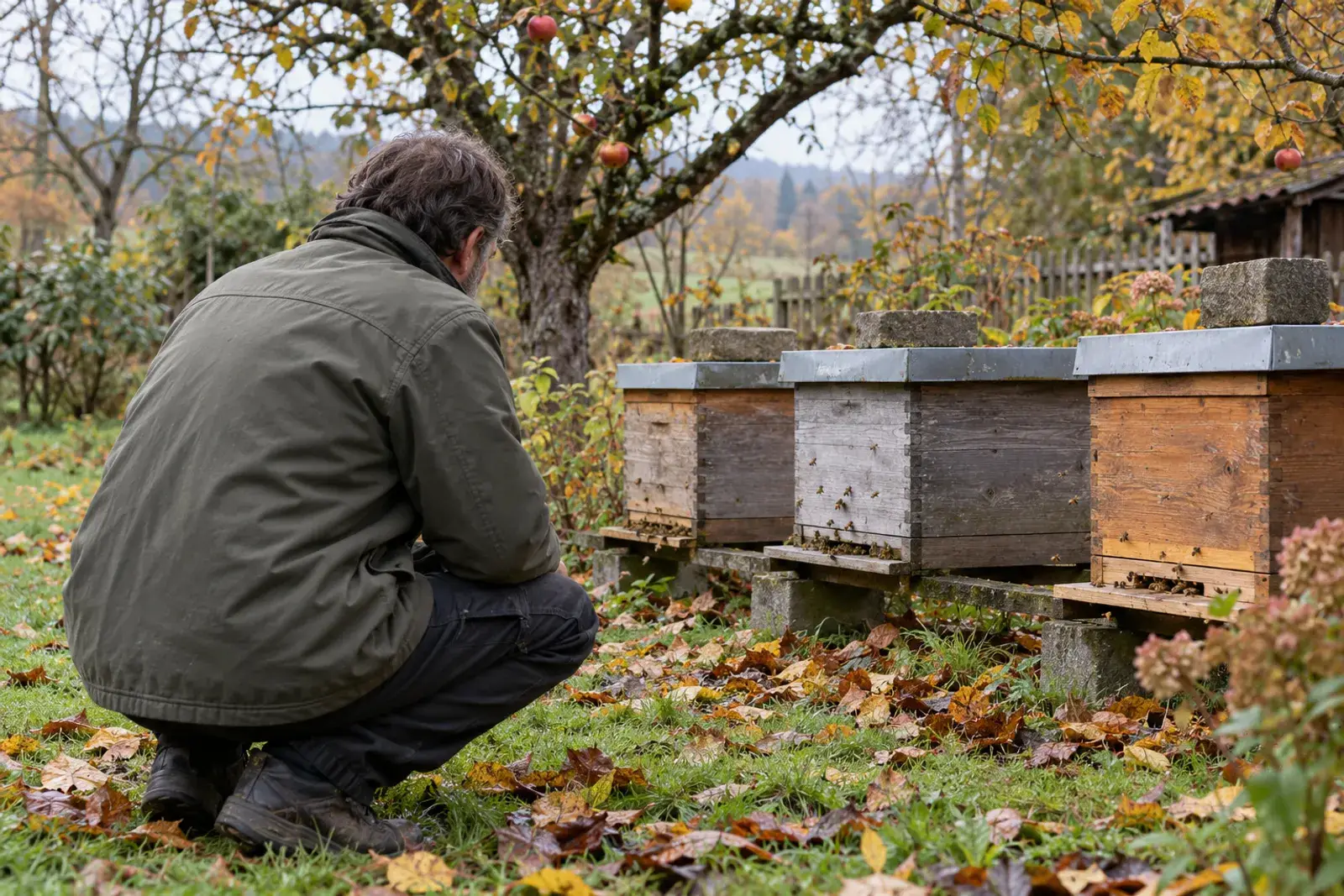
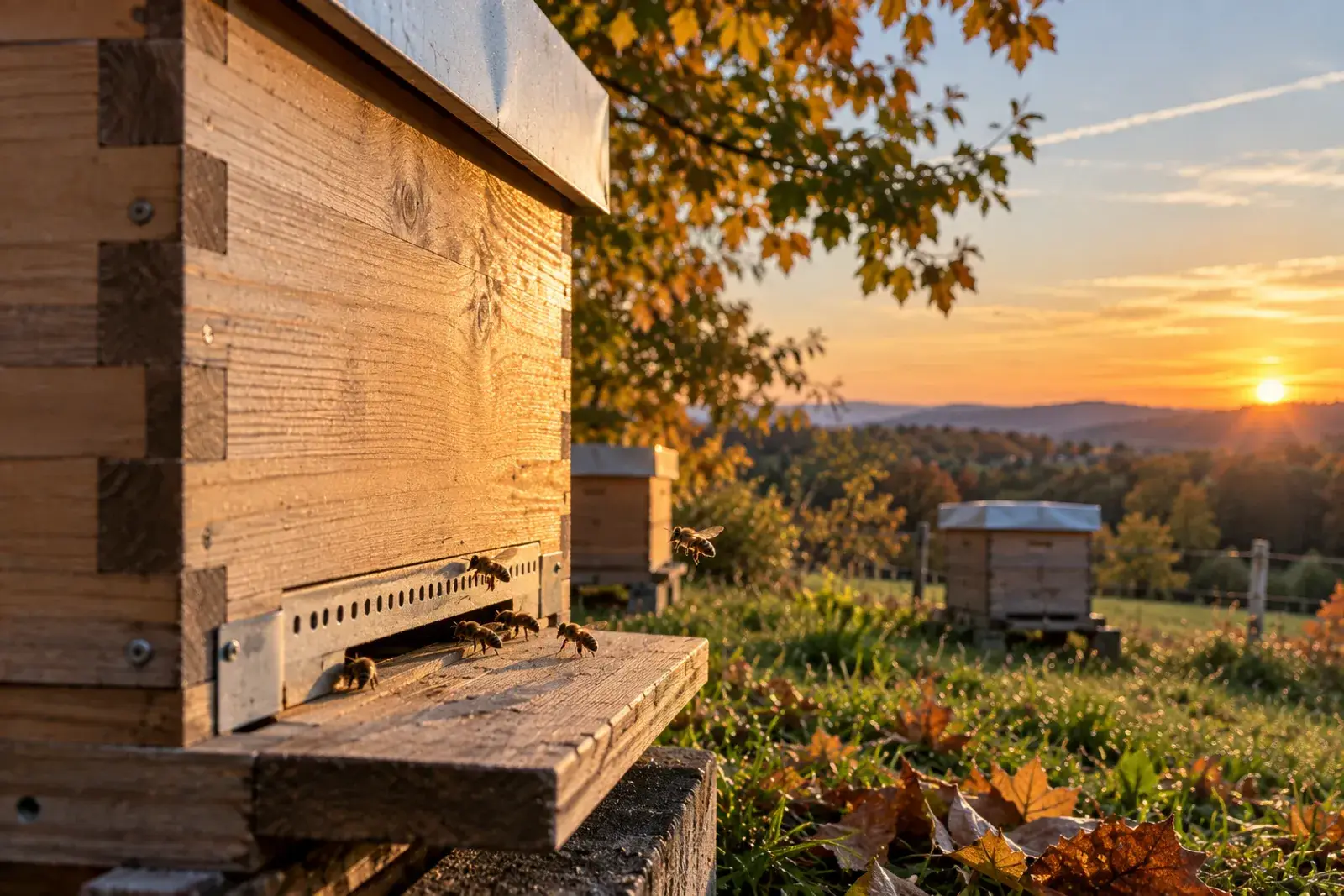
If an inspection is reasonable, but you want to disturb the ongoing forage flight as little as possible, it can be sensible to move the inspection to the evening hours—when flight activity significantly decreases or stops altogether.
While this shift also has a clear disadvantage: More foragers are home in the evening, making the colony fuller, the hive appears more crowded, and the comb aisles are often narrower. This can make the work slightly harder.
Nevertheless, an evening inspection has a real advantage in certain situations: The day’s primary forage flight is largely completed. The strong influx wasn’t interrupted mid-through the most productive hours.
Especially on days when the scale shows a very good gain, this can be a reasonable compromise. The colony could gather throughout the day, and the necessary inspection is scheduled at a time when it doesn’t directly interfere with the peak foraging phase.
Another advantage is that in the evening, you can see the full picture of the day. All foragers are back, the colony is present in its actual daily strength, and some assessments of colony size or overall impression might be more realistic than in the middle of a strong flight operation.
Of course, evening inspections are not a carte blanche for lengthy interventions. Precisely because many bees are home then, work should be done calmly, quickly, and with a clear objective. Haste, long searching, or unnecessary exposure of the hive are even more unfavorable.
Practical Implications
If the scale indicates that a true peak foraging day is happening, the default stance should be: Better not open during the day unless it’s necessary.
A routine, non-urgent inspection can then patiently wait. Either for the next weaker day or, if it makes sense time-wise, for the evening after the main flight.
That’s also the practical value of the hive scale. It helps to decide not just based on sunshine, temperature, or gut feeling but on real gain. And when you realize that there may be only a few dozen truly strong days a year, this information gains another weight.
Then a peak foraging day is no longer “just a nice day” but a day when the colony should work as undisturbed as possible.
Conclusion
There is no official figure for peak foraging days. However, as an honest, practice-oriented approximation, a stationary beekeeper can often count on about 15 to 30 true peak foraging days per year, fewer in weak years, sometimes more in good locations and good years.
Precisely because these days are limited and often concentrated in a few phases, it makes sense to treat them differently than normal flight days.
When hive scales or regional scale data clearly indicate strong gain, it is usually wise to postpone an unnecessary inspection. If inspection is necessary, the evening after flight activity has subsided can be a sensible alternative.
While the colony may be fuller then, the actual foraging flight of the day hasn’t been disrupted. That can be the decisive advantage on a true peak foraging day.
Test bee-pilot.io now