Late Summer and Winter Preparation
Why Varroa Control, Feed, Pollen, and Healthy Nurse Bees Are Crucial Now
After the last honey harvest, many beekeepers understandably focus on Varroa treatment and feeding. Both are particularly important now. However, at least as crucial is the condition under which the upcoming generations of brood are raised.
True winter bees do not suddenly appear on a specific day. The transition from short-lived summer bees to long-lived winter bees is a gradual process that spans several generations of brood.
Initially, mostly summer and transitional bees are produced. But their health is also highly important: they later care for the brood from which the true winter bees will emerge.
If these early generations are already weakened by Varroa, viruses, food shortages, or a poor pollen supply, it can affect the entire colony well into the winter.
Winter Bees Are Not Ordinary Workers
Winter bees differ significantly from the short-lived summer workers.
While summer bees often live only a few weeks, winter bees can live for several months. They form the winter cluster, regulate the temperature in the colony, and care for the first new brood in late winter and spring.
They play a critical role: they must not only get the colony through the winter but also enable the transition into the new beekeeping year.
Their remarkable longevity is partly due to a well-developed fat body and high reserves of vitellogenin. This storage protein is crucial for the bees’ nutrition, immune system, and lifespan.
The Quality of Winter Bees Begins Before They Are Formed
Healthy and long-lived winter bees don’t come about by chance. Their development depends on several interconnected factors:
- low Varroa pressure,
- low virus load,
- sufficient feed,
- good pollen supply,
- a high-performing queen,
- enough healthy nurse bees
- and as little additional stress as possible.
It’s important not only to focus on the later winter bees themselves. The bees that tend to these winter bees as larvae must also be healthy and capable.
That’s why the coming weeks are so crucial.
Varroa Harms More Than Just Individual Bees
The Varroa mite is not only a parasite that weakens individual bees. Its connection with various viruses is particularly problematic.
If bees are infested by Varroa mites during their development in capped brood, they can already be damaged when they emerge. Such bees often have lower physical reserves, a less developed fat body, and a reduced lifespan.
These very characteristics are needed for long-lived winter bees and healthy nurse bees.
A late-started or insufficiently effective summer treatment can have consequences that may not become apparent until weeks or months later.
Not Just Treat, But Monitor Success
Conducting a Varroa treatment does not automatically mean that the mite pressure remains low.
It is crucial to monitor the treatment’s success and keep an eye on the infestation’s further development. Depending on the apiary management, methods such as counting natural mite fall, washing, or other suitable diagnostic methods can be used.
Even after successful treatment, mite levels can rise again. One possible cause is reinvasion.
Mites from more heavily infested colonies can migrate into already treated bee colonies. This may happen through drifting or robbing. Particularly in late summer, infestation levels can change significantly in a short time.
Regular monitoring is therefore wiser than assuming a single treatment has completely solved the problem for the rest of the summer.
Feed Must Be Timely Available
Besides Varroa load, feed supply also plays an important role.
A colony suffering from food shortages often reduces or temporarily stops brood production. This can lead to crucial brood generations falling short or being significantly weaker.
Especially splits, smaller colonies, and mating units should be monitored carefully. After the end of a nectar flow, their reserves can deplete surprisingly quickly.
It is not enough just to store sufficient winter feed at some point. Enough feed must be available at all times during the raising of the next bee generations.
Pollen Is Often Underestimated
For raising healthy brood, bee colonies need not only carbohydrates but also sufficient protein.
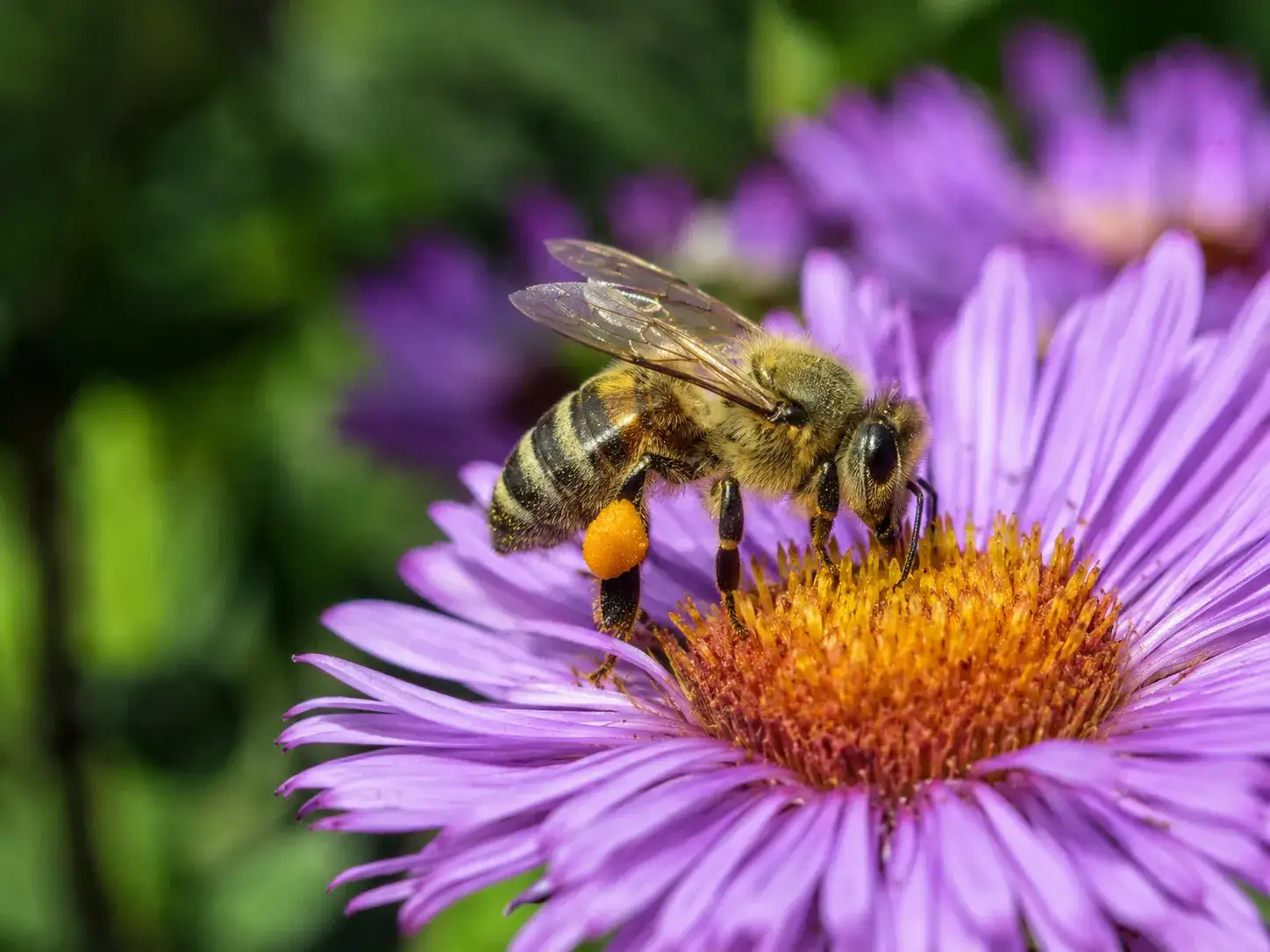
Pollen provides proteins, fats, vitamins, and other nutrients necessary for larval development and the production of brood food. A prolonged lack of quality pollen can impair the performance of nurse bees and, consequently, the quality of the raised brood.
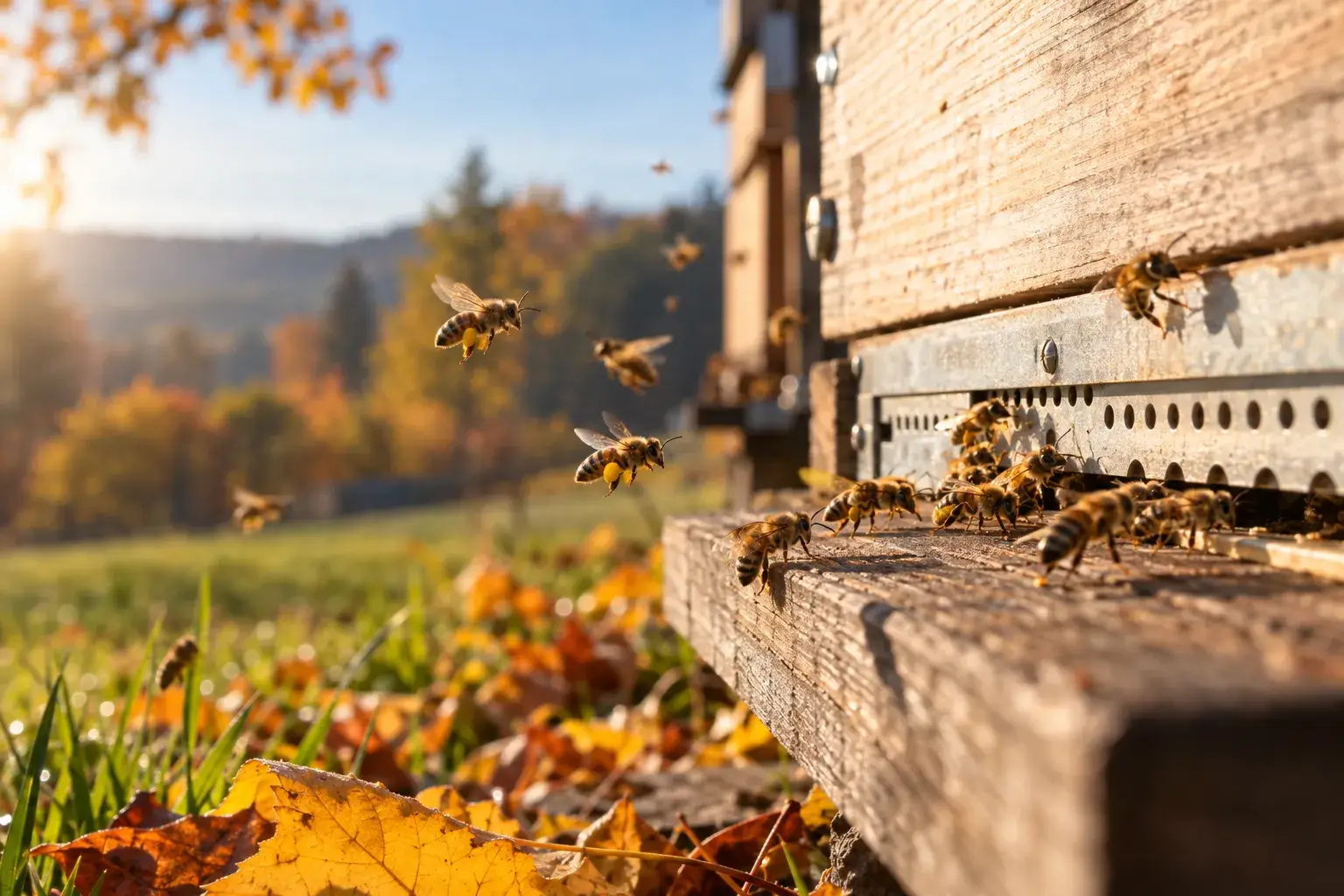
Regularly checking pollen intake at the entrance and the colony’s pollen reserves can provide valuable insights.
It should be noted that visible pollen intake alone does not provide a complete assessment. The quantity, diversity, and availability of pollen sources are also crucial.
A Capable Queen Remains Important
The queen also influences how the colony will develop in the coming weeks.
A capable queen ensures a cohesive and sufficiently large brood nest. Conversely, a declining queen, frequent brood interruptions, or a silent supersedure can lead to weaker vital brood generations.
Not every irregular brood pattern is automatically problematic. However, if there are noticeable changes, it should be checked whether the cause lies with the queen, food shortages, diseases, or other stressors.
Unnecessary Stress Costs Extra Energy
Every disturbance taxes the colony.
Necessary tasks must of course be performed. However, frequent or unnecessarily prolonged inspections should be avoided. The risk of robbing also increases, particularly in times of nectar scarcity.
Water shortages, food scarcity, extreme heat, unsuitable hive locations, or repeated disturbances can also add stress to the colonies.
Work on the colonies should be as calm, prepared, and focused as possible.
Acting N O W Correctly Gives You Strong and Healthy Colonies Through Winter!
Our Recommendation from Bee Pilot
The coming weeks should be used to create the best possible conditions for the later winter bees.
Working diligently now not only invests in overwintering. It also lays the foundation for a healthy and productive start to the next beekeeping year.
Strong winter colonies are not made in the fall. They are prepared by healthy nurse bees, low Varroa pressure, and the right decisions in July and August.
The Bee-Pilot-App can help keep track of inspections, Varroa levels, feed status, and colony development to detect changes early.
Document observations, Varroa levels, and feed status directly at the apiary
“`