Expanding the Honey Super
Timely Expansion of the Honey Super
Why You Shouldn’t Wait After the Second Honey Super
The first honey super in spring requires careful consideration. You need to closely monitor colony strength, weather, and development. A weak colony can be overwhelmed by too much space. The timing is crucial: Is there enough bee population? Is the space being used? Is the weather appropriate? Are nectar flows coming in?
By the time you add the second honey super, the situation usually changes. The bee population is stronger, brood production is stable, and providing additional space to a strong colony is no longer as critical.
The Common Mistake: Waiting Too Long
During an active nectar flow, having too little space is a more significant issue than too much space from the second honey super onward. This is where one of the most common mistakes during the honey season occurs: waiting too long when the colony should have been expanded by now.
For beginners, the issue is often not with the colony but the lack of space. The colony is strong, brood production is healthy, the bee population is sufficient, but the honey super is expanded too late.
Nectar Is Not Yet Honey
When a colony readily accepts the first honey super and there is a nectar flow, a large amount of nectar can be brought in quickly. The colony needs space long before the honey super is fully capped.
The crucial point is: Nectar is not yet honey. Fresh nectar contains a lot of water and must be processed, relocated, and dried by the bees.
For this, bees need free comb space. A honey super that doesn’t yet look full to a beekeeper may already be too cramped for bees, especially if new nectar is being brought in daily.
When Should the Next Honey Super Be Added?
You shouldn’t wait to add the next honey super until the top one is almost full or already capped. For strong colonies and during active nectar flows, this is often too late.
you should add the next honey super.
Once the space is well over halfway filled, you should not delay much longer.
Stacking Above or Below?
It’s also important to decide whether to place the new honey super above or below the already accepted honey super.
This depends not only on the hive system and nectar flow but also on the behavior of the bees, the breed, and the respective genetic line.
Buckfast: Successfully Stacking Above
With many Buckfast lines, stacking another honey super on top works very well. These colonies often readily move upwards when strong enough and take to additional space quickly.
It can be advantageous to simply place the next honey super above the already occupied one.
Carnica: Often Expanding Near the Brood Nest
With Carnica colonies, expansion near the brood nest is often preferred.
This means bringing the new honey super closer to the brood nest, placing it below the currently occupied honey super. This way, the new space is directly in the bees’ working area and is often accepted faster.
Observing Local Breeds and Mixed Lines
For local breeds or mixed lines, there isn’t a fixed rule. You should observe how your own colony operates.
Some colonies readily move upwards, while others accept new space better when it is near the brood nest.
Avoid Making it a Rigid Rule
The notion “Buckfast usually stack above, Carnica usually stack below” should not become a rigid guideline. It is practical guidance, not a strict rule. The best decisions come from considering your own line, the colony strength, the weather, and the nectar flow as a whole.
What Happens If You Expand Too Late?
Delaying expansion creates a bottleneck. The foragers bring in nectar, but there’s no free storage space.
Then, nectar often gets placed where it doesn’t belong: in the brood chamber, on the outer combs, or in areas important for brood development.
This can constrain the brood nest. The queen has fewer free cells for laying eggs, the colony becomes more restless, and the swarm pressure can increase.
Don’t Discourage Strong Colonies
Especially for strong colonies, expanding too late is frustrating. These colonies have the capacity to bring in substantial honey.
But if the space is lacking, their performance is hindered. It is not that the colony isn’t capable, but that the beekeeper has provided space too late.
Prepare Sufficient Equipment Before Nectar Flow
Another common beginner’s mistake lies in the initial equipment. Many start with a hive with too few supers.
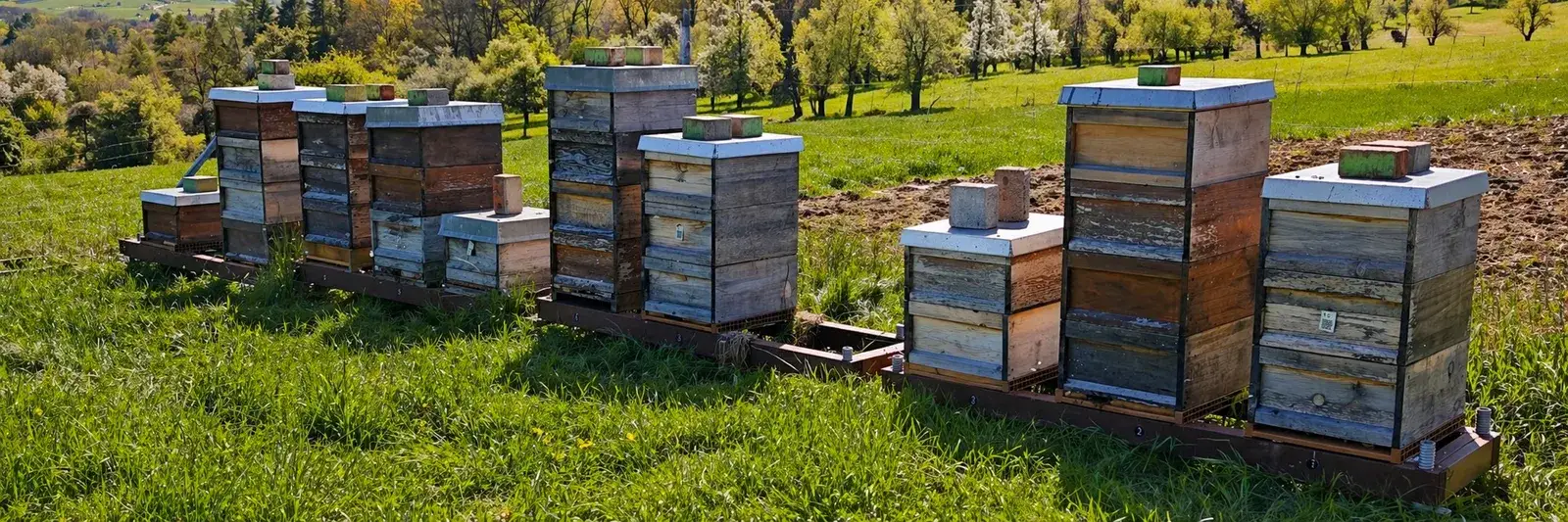
Often, the setup consists of just one brood box and two honey supers or three boxes in total. This seems sufficient initially, but for strong colonies and abundant nectar flows, it often is not.
If the second honey super fills up and no third is prepared, you automatically run late. You’ll have to find, order, build, or prepare equipment first.
During this time, the nectar flow continues, and the colony lacks adequate space.
Plan for More Than Two Honey Supers
For productive colonies, you shouldn’t plan on just two honey supers. Depending on the region, nectar flow, and colony strength, a third, fourth, or fifth honey super can quickly become necessary.
Particularly with rapeseed, black locust, or linden, or during a strong nectar flow, a colony can dramatically increase its needs in a few days.
Reacting only when everything is full usually means you’ve missed the optimal timing.
Expand Timely Instead of Blindly
This doesn’t mean you should stack many empty supers indiscriminately. It’s not about blind expansion, but timely expansion.
Regularly inspect the top honey super.
When these factors align, the next honey super should be added.
The Simple Practical Rule
From the second honey super onward, don’t wait until the first is full.
When the top honey super is about 30 to 50 percent filled or well occupied and the nectar flow is ongoing, the next honey super should be stacked above or placed near the brood nest. This continues … there must always be free space for nectar.
Which option fits best depends on the colony, the line, and behavior at your own apiary.
Conclusion
A honey super is needed not just for finished honey but primarily for fresh nectar that still needs to dry.
Expanding in a timely manner prevents space shortages, relieves the brood nest, and better utilizes the potential of strong colonies.
Try bee-pilot.io now