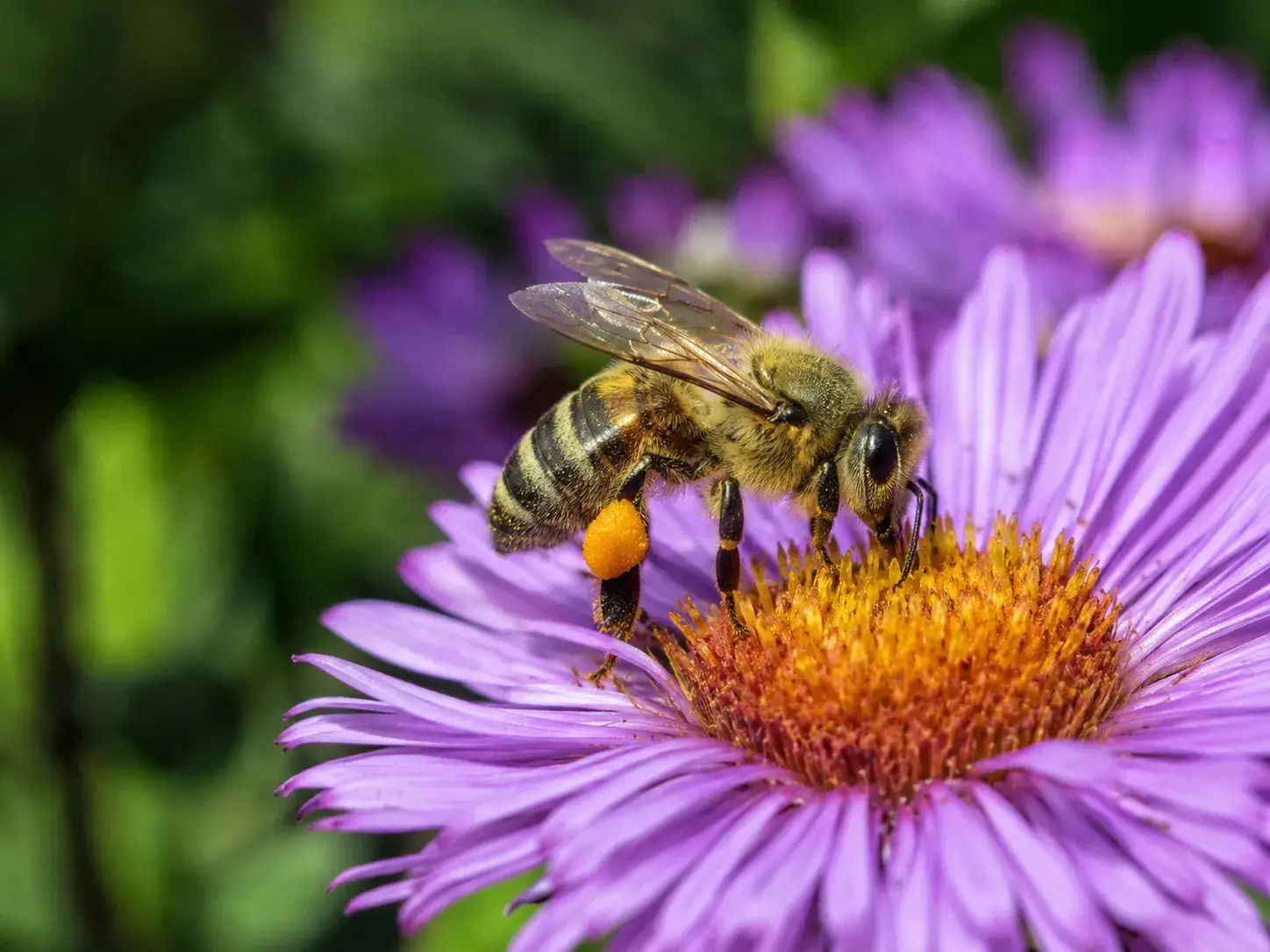
The next few weeks will determine the quality of your winter bees.
Learn how Varroa control, feeding, and healthy bee management influence the development of vital winter bees and ensure beekeeping success.
Articles from practice: management, varroa, forage and breeding. Freely available, no account and no newsletter required.
Learn how Varroa control, feeding, and healthy bee management influence the development of vital winter bees and ensure beekeeping success.
Discover proven methods for storing honey frames over the winter to ensure dryness and protection from wax moths.
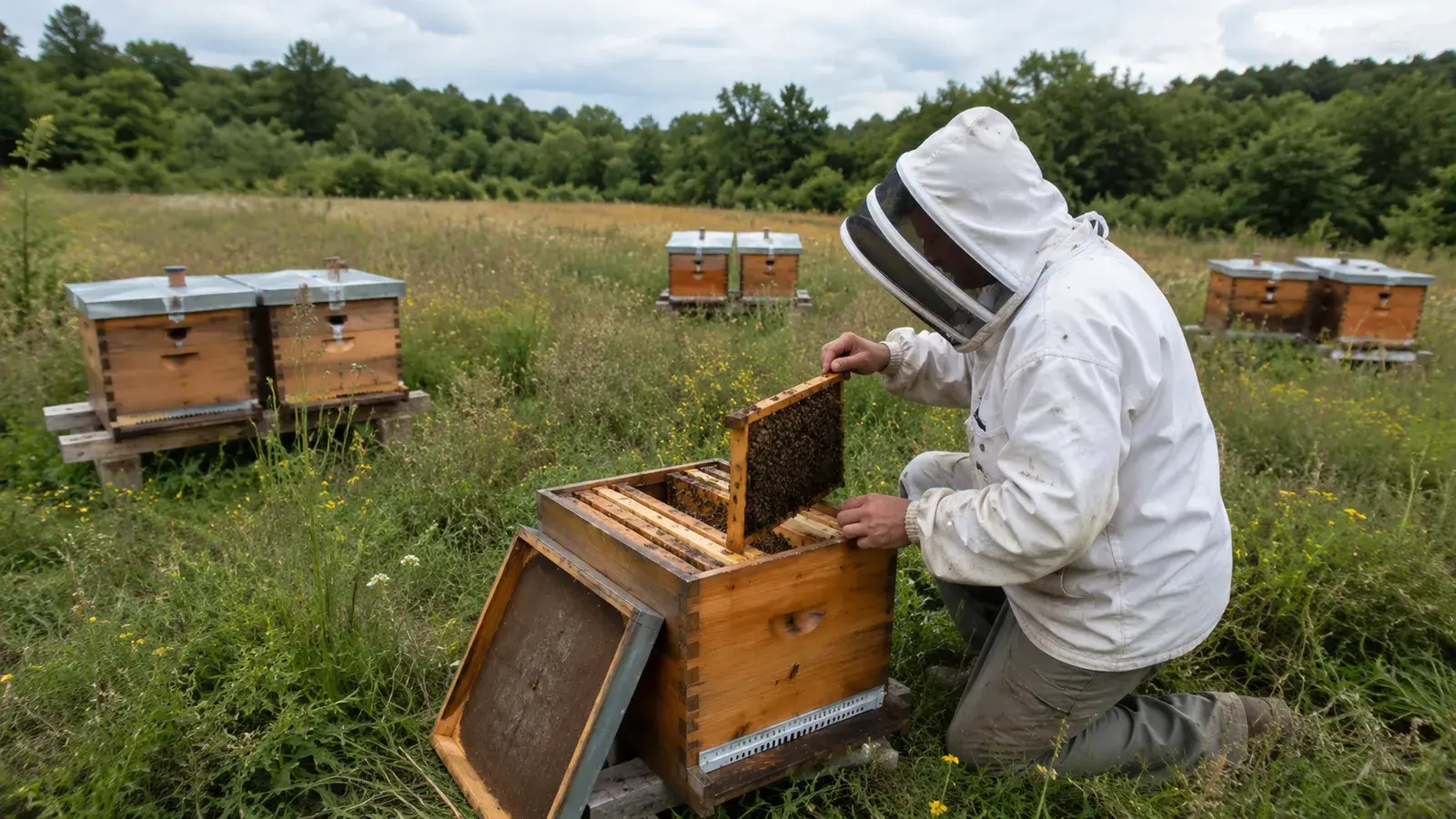
Beekeeping requires constant decisions as weather, forage, and colony development are ever-changing. Learn how flexibility leads to success.
Learn how to effectively use brood incubators after total brood removal to create a brood-free Varroa window and build strong nucs.
After the honey flow, beehives can unknowingly enter feed scarcity, especially splits and mating units. Regular monitoring of feed supplies is crucial.
After honey harvesting, Varroa control is crucial for healthy winter bees. High Varroa loads can lead to overwintering issues in the long term.
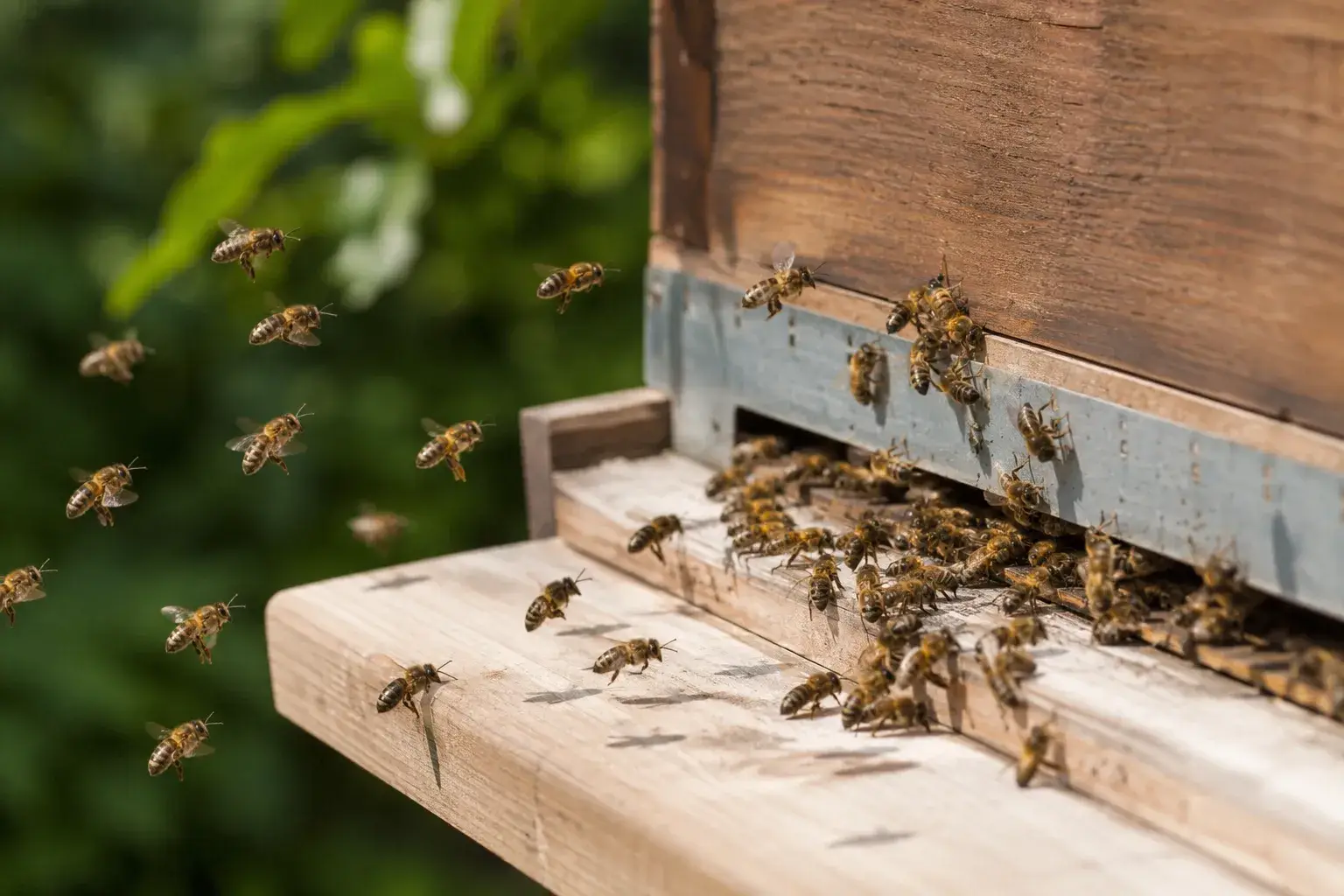
In times of low forage, the risk of robbing in bees increases. Nuclei and mating units are especially vulnerable. Protect your colonies effectively.
Don't miss any breeding dates: The digital assistant automatically calculates important dates in queen breeding and significantly eases planning.
The crystallization of honey is a natural process and a sign of quality. Learn why early nectar honey solidifies faster and how to liquefy honey again.
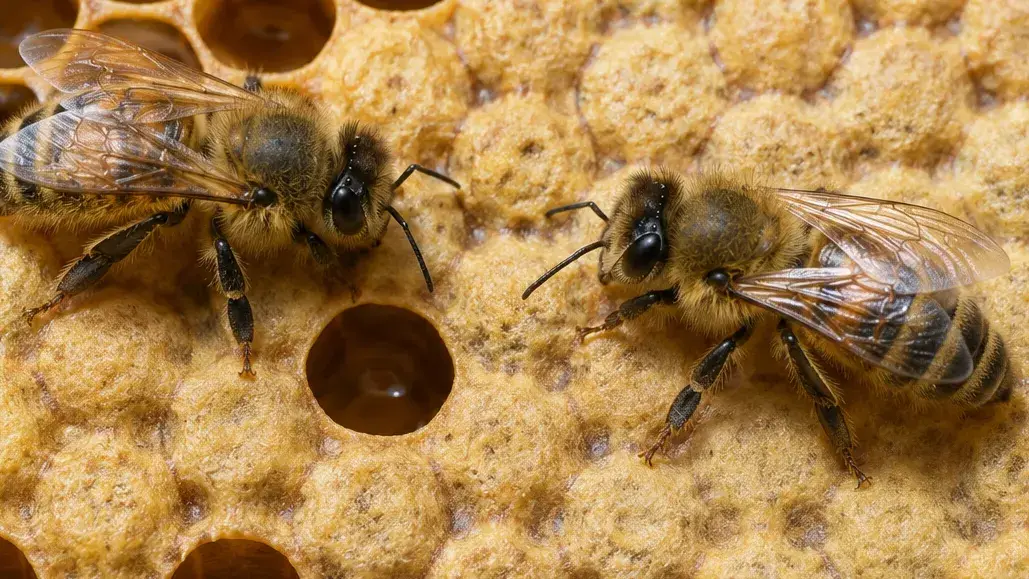
The early days of a worker bee are crucial for the entire colony. Their development and nutrition shape the future productivity of the hive.
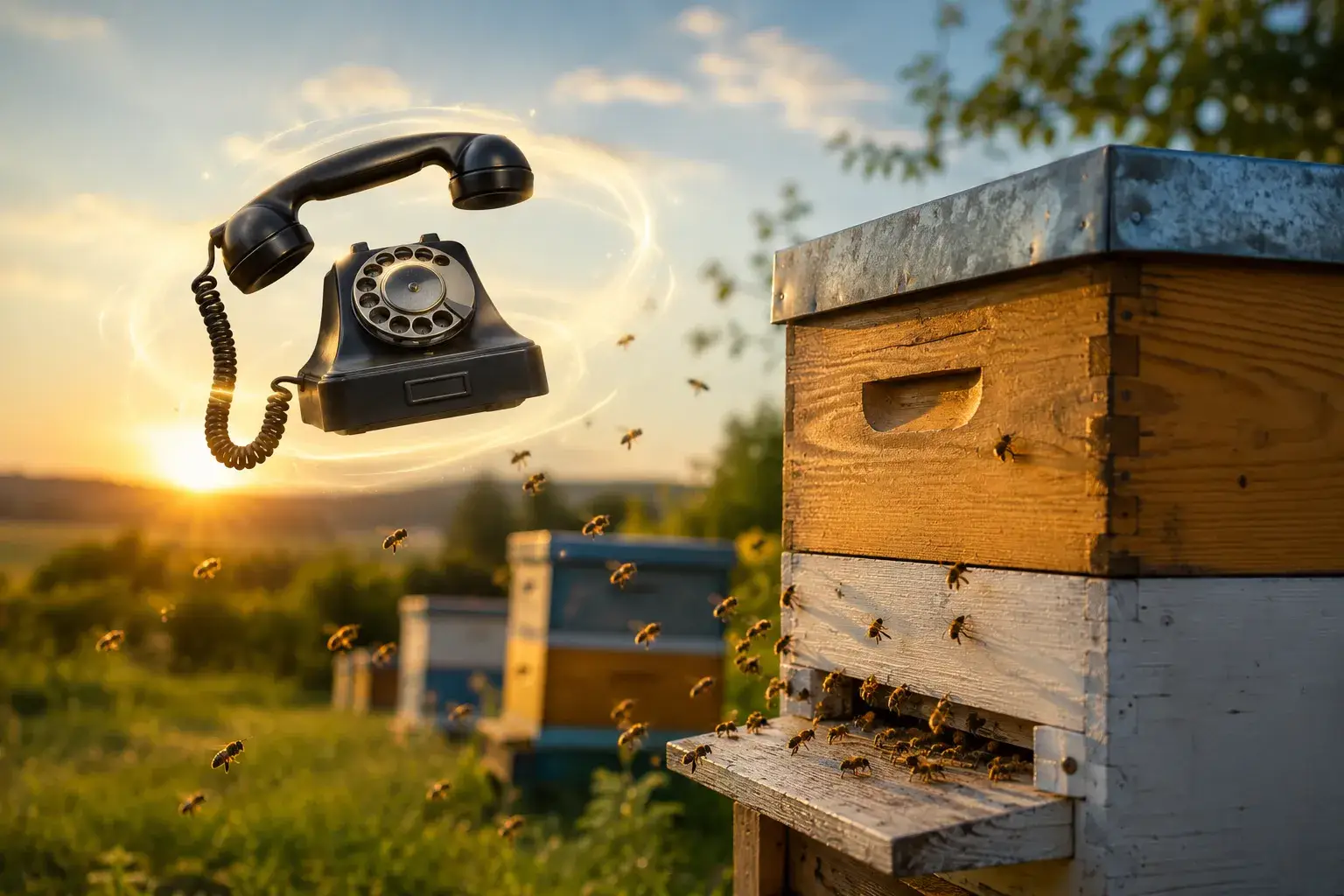
Discover how Bee-Pilot Call optimizes colony inspections through simple voice documentation without disrupting the beekeeper's workflow.
Utilize the gap in nectar flow between spring and summer wisely: stabilize colonies, create splits, and prepare them optimally for summer and winter.